
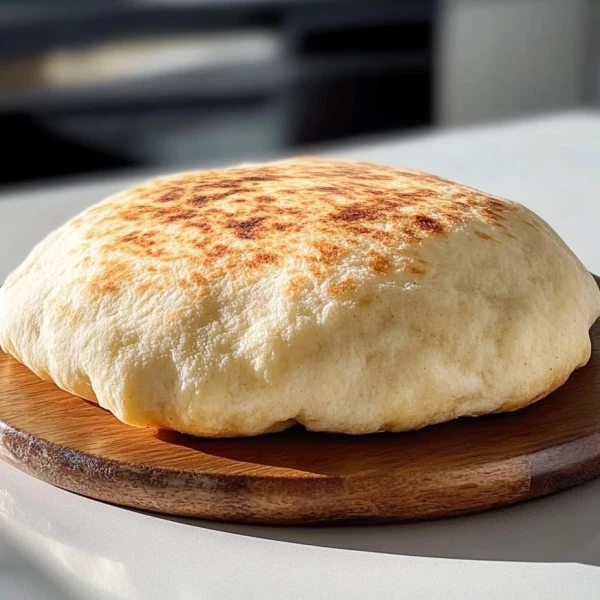
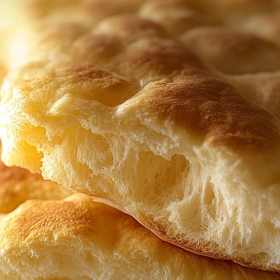
Fluffy Gluten-Free Pita Bread is a revelation for anyone seeking a gluten-free alternative. This bread is light, airy, and has a delightful chewiness that makes it perfect for sandwiches or dips. The secret lies in the blend of flours and the technique used to achieve that perfect puff. As a chef, discovering this recipe was like finding a hidden gem in the world of gluten-free baking. The aroma of freshly baked bread, combined with its soft texture, makes it a must-try for any bread lover.
Why I Love This Recipe
The origin of pita bread is steeped in Middle Eastern culinary tradition, where bread is more than just a side—it's a staple. This gluten-free version captures the essence of traditional pita while catering to modern dietary needs. The technique of creating a pocket through high heat is fascinating, as it transforms a simple dough into a versatile vessel for countless fillings. I remember the first time I made this bread; the smell of it baking transported me to a bustling market in the heart of the Mediterranean. For a professional chef, the ability to create such authentic flavors without gluten is both challenging and rewarding.
What You Need From Your Kitchen
Cast Iron Skillet
Essential for achieving the high heat needed to puff the pita perfectly
Rolling Pin
Ensures even thickness for consistent cooking
Mixing Bowl
For combining the gluten-free flours and other ingredients thoroughly
Baking Stone
Retains heat well, helping the bread to rise evenly
Dough Scraper
Useful for handling the sticky gluten-free dough.
Perfect Pairings
Hummus
The creamy texture complements the fluffy pita perfectly
Grilled Vegetables
Their smoky flavor pairs well with the bread's subtle sweetness
Mint Tea
A refreshing drink that enhances the bread's lightness
Feta Cheese
Its tangy flavor contrasts beautifully with the soft pita
Olive Tapenade
Rich and savory, it adds depth to the bread's mild taste.
Pro Tips
- Use a hot cast iron skillet to cook the pita bread. The intense heat helps create the signature puff and golden spots, enhancing both texture and flavor.
- Incorporate a bit of olive oil into the dough. This adds moisture and a subtle richness, ensuring the pita remains tender and flavorful.
- Allow the dough to rest after kneading. This relaxation period helps the dough become more pliable, making it easier to roll out and achieve an even thickness.
🍳 Your Cooking Progress
Ingredients Gathered
0/10 CompleteCooking Steps
0/6 CompleteRecipe Mastery
0% CompleteFluffy Gluten-Free Pita Bread
This Gluten-Free Pita Bread is unique due to its use of a special blend of gluten-free flours. The dough's rise and puffing technique create a pocket perfect for stuffing.
Ingredients
💡 Click on ingredients to check them off!
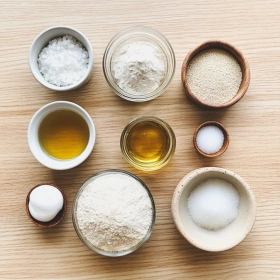
- 2 cups gluten-free all-purpose flour
- 1 cup warm water
- 1 tablespoon active dry yeast
- 1 tablespoon olive oil
- 1 teaspoon salt
- 1 teaspoon sugar
- 1 tablespoon psyllium husk
- 1 teaspoon baking powder
- 1 tablespoon apple cider vinegar
- 1 tablespoon honey
Instructions
💡 Click on steps to mark as complete!
-
1Activate YeastCombine warm water, sugar, and yeast in a bowl. Let it sit for 5 minutes until frothy, ensuring the yeast is active.
-
2Mix Dry IngredientsIn another bowl, whisk together gluten-free flour, psyllium husk, salt, and baking powder for an even distribution.
-
3Combine IngredientsAdd yeast mixture, olive oil, and apple cider vinegar to dry ingredients. Stir until a sticky dough forms.
-
4Knead DoughOn a floured surface, knead the dough for 5 minutes, adding flour as needed, until smooth and elastic.
-
5Proof DoughPlace dough in an oiled bowl, cover with a damp cloth, and let rise in a warm place for 1 hour until doubled.
-
6Shape and CookDivide dough into balls, roll into circles, and cook on a hot skillet for 2-3 minutes per side until puffed and golden.
Nutrition Facts (Per Serving)
Chef's Notes
- Store the fluffy gluten-free pita bread in an airtight container at room temperature for up to two days to maintain its softness and prevent it from drying out.
- For longer storage, freeze the pita bread in a zip-lock bag. Thaw at room temperature and reheat in a warm oven to restore its fluffy texture.
- Substitute tapioca flour with arrowroot powder for a slightly chewier texture while maintaining the gluten-free quality of the pita bread.
- Prepare the dough a day ahead and refrigerate. Allow it to come to room temperature before baking for a more pronounced rise and fluffiness.