
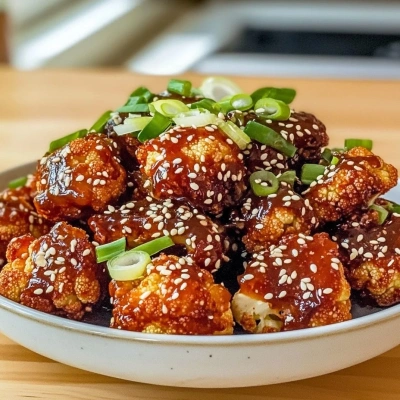
Korean Baked Cauliflower Bites are a fiery, craveable twist on cauliflower that turns a humble vegetable into something unforgettable. You should make this dish because it delivers restaurant-level texture and bold Korean-inspired flavor with surprisingly simple ingredients. The first time I pulled a tray from the oven, the aroma of toasted sesame, garlic, and sweet chili hit me like a warm invitation from a bustling Seoul night market. The florets were bronzed at the edges, tender inside, and coated in a glossy glaze that begged to be eaten straight from the pan.
Why I Love This Recipe
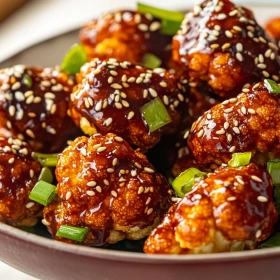
What I love most about Korean baked cauliflower is how it captures the spirit of Korean flavor balance: heat, sweetness, savoriness, and a little tang, all in one bite. It reminds me of the kind of snack you’d find at a lively pojangmacha stall, where bold sauces cling to everything and every bite feels celebratory. As a chef, I’m fascinated by how roasting transforms cauliflower’s natural sweetness, creating nutty, caramelized notes that stand up to gochujang so well. The sesame seeds add a delicate crunch, the scallions bring freshness, and the sauce gives that glossy, almost lacquered finish I always chase in great glaze work. It’s comfort food with real culinary personality.
What You Need From Your Kitchen
Rimmed baking sheet
Gives the cauliflower enough surface area for high-heat roasting and caramelization
Parchment paper
Prevents sticking while helping the glaze cling without burning
Mixing bowl
Needed to coat the florets evenly in batter or sauce before baking
Silicone spatula
Helps fold and toss the cauliflower gently so the florets stay intact
Pastry brush
Useful for layering on extra glaze at the end for a shiny, restaurant-style finish
Perfect Pairings
Steamed jasmine rice
Its clean, fragrant grains soak up the spicy-sweet gochujang glaze beautifully
Crisp cucumber salad
The cool crunch and light acidity balance the sticky heat of the cauliflower
Cold lager or Korean beer
The carbonation cuts through the richness and refreshes the palate between bites
Kimchi fried rice
A bold side that echoes the fermented, savory notes and turns this into a full meal
Game day or casual dinner spread
These bites shine as a shareable appetizer that disappears fast
Pro Tips
- Cut the cauliflower into evenly sized florets so they roast at the same pace. Uniform pieces give you that ideal contrast: tender stems, bronzed edges, and a sauce that clings evenly.
- Dry the florets thoroughly before coating them. Any surface moisture turns to steam in the oven, which prevents browning and keeps the coating from developing that crisp, lacquered finish.
- Roast the cauliflower on a preheated, well-spaced sheet pan. High heat encourages caramelization, and the open layout lets hot air circulate so the florets crisp instead of steaming.
- Warm the sauce before tossing. A hot glaze loosens beautifully, coats every crevice, and helps the sesame seeds and scallions adhere, creating that glossy, restaurant-style finish.
- Add the sauce near the end of baking or right after roasting, depending on your texture preference. Early saucing gives a stickier, more caramelized bite; late saucing preserves more crispness.
🍳 Your Cooking Progress
Ingredients Gathered
0/13 CompleteCooking Steps
0/7 CompleteRecipe Mastery
0% CompleteKorean Baked Cauliflower Bites
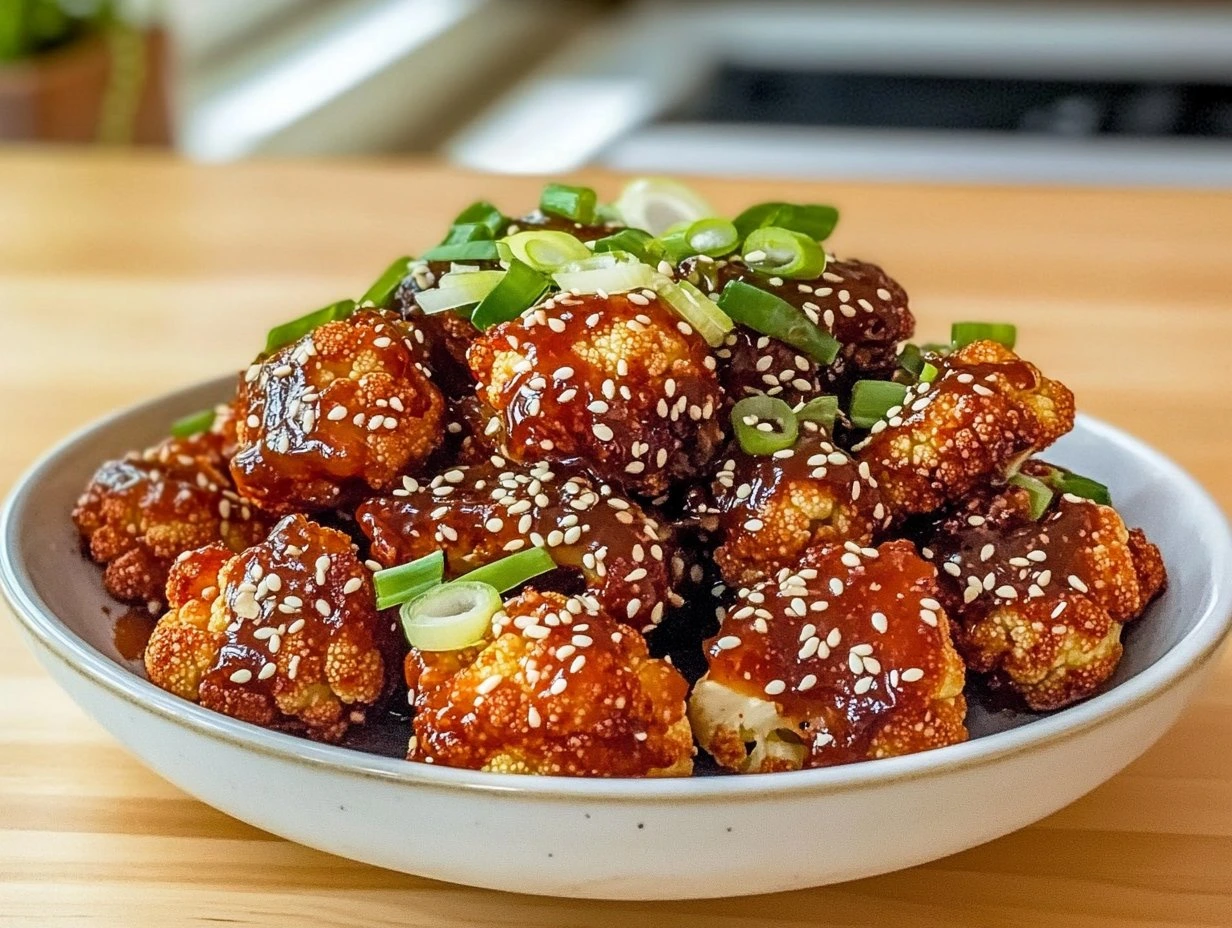
Korean Baked Cauliflower Bites are all about contrast: tender florets, caramelized edges, and a lacquered sauce that clings beautifully. The oven-roasting technique deepens the flavor, while gochujang, garlic, and sesame create that unmistakable savory-spicy finish.
Ingredients
💡 Click on ingredients to check them off!
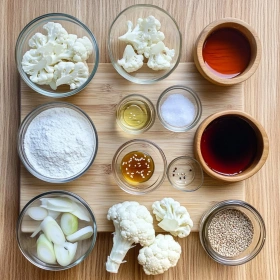
- 1 large head cauliflower, cut into bite-size florets
- 1 cup all-purpose flour
- 1 cup cold water
- 1 teaspoon kosher salt
- 1 teaspoon garlic powder
- 1/2 teaspoon freshly ground black pepper
- 2 tablespoons neutral oil
- 1/3 cup gochujang
- 3 tablespoons honey
- 2 tablespoons soy sauce
- 1 tablespoon rice vinegar
- 2 teaspoons toasted sesame seeds
- 2 tablespoons thinly sliced scallions
Instructions
💡 Click on steps to mark as complete!
-
1Prep the cauliflowerCut the head into evenly sized florets so they roast at the same pace, then pat them dry. Dry surfaces help the batter cling and encourage better browning, giving each bite a crisp exterior instead of a steamed finish.
-
2Make the batterWhisk flour, cold water, salt, garlic powder, and black pepper until smooth and just thick enough to coat a spoon. A light batter is the secret here: it should hug the florets without becoming heavy or bready.
-
3Coat with careToss the cauliflower in the batter until every crevice is covered, letting excess drip off before arranging on a parchment-lined sheet. Space the pieces apart so hot air can circulate, which helps the edges turn golden and crisp.
-
4Bake until lightly setRoast at high heat, turning once halfway through, until the coating looks dry and faintly golden. This first bake builds structure, so the florets can later absorb sauce without collapsing into softness.
-
5Build the Korean glazeStir gochujang, honey, soy sauce, and rice vinegar in a small saucepan over gentle heat until glossy and fully combined. The aroma should be sweet, tangy, and deeply savory, with the chile paste mellowing into a lacquered glaze.
-
6Glaze and finish bakingToss the hot cauliflower with the sauce, then return it to the oven briefly so the glaze tightens and clings. This second bake concentrates flavor and creates that irresistible sticky sheen Korean-style sauces are known for.
-
7Garnish and serveScatter sesame seeds and scallions over the top just before serving for nutty crunch and fresh bite. Serve immediately while the coating is crisp, the sauce is fragrant, and the cauliflower still has a tender, juicy center.
Nutrition Facts (Per Serving)
Chef's Notes
- Store leftover Korean Baked Cauliflower Bites in an airtight container in the refrigerator for up to 3 days. The glaze softens the crust, so reheat on a hot sheet pan to revive some caramelized edges.
- For make-ahead prep, roast the cauliflower until just tender, then cool and refrigerate separately from the sauce. Toss and finish baking right before serving so the gochujang glaze stays glossy, sticky, and vibrant.
- If you need a gluten-free version, use tamari or coconut aminos instead of soy sauce and check that your gochujang is certified gluten-free. The flavor stays deeply savory, sweet, and spicy.
- To keep the bites crisp for serving, line the tray with parchment and avoid overcrowding. Cauliflower releases steam as it roasts, and too much contact will soften those golden, craggy edges.
- These bites freeze best before saucing. Freeze the baked cauliflower in a single layer, then reheat from frozen in a hot oven and toss with warm sauce for the freshest texture.
- For a milder batch, reduce the gochujang slightly and add a touch more honey. You’ll still get that signature Korean-style sweet heat without overwhelming the cauliflower’s nutty roasted flavor.