
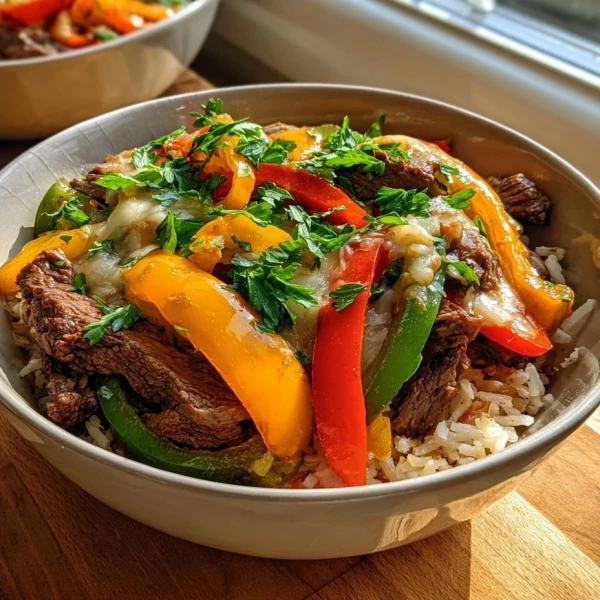
Philly Cheesesteak Bowls are a savory twist on the classic sandwich, perfect for a high-protein meal. Imagine tender beef, melted cheese, and vibrant peppers coming together in a bowl. This dish is a must-try for its rich flavors and satisfying texture, offering a comforting experience reminiscent of Philadelphia's iconic street food.
Why I Love This Recipe
I first encountered Philly Cheesesteak Bowls during a culinary tour in Philadelphia, where the aroma of sizzling beef and onions filled the air. The technique of layering ingredients in a bowl allows each bite to capture the essence of the original sandwich, yet offers a modern twist. The melted cheese envelops the beef, while the peppers add a burst of color and crunch. As a chef, I find this dish fascinating for its ability to transform a beloved classic into a comforting bowl that speaks to both tradition and innovation.
What You Need From Your Kitchen
Cast Iron Skillet
Essential for achieving a perfect sear on the beef, enhancing flavor
Sharp Chef's Knife
Crucial for slicing peppers and onions evenly
Mixing Bowl
Ideal for combining ingredients before layering
Wooden Spoon
Perfect for stirring without scratching the skillet.
Perfect Pairings
Garlic Bread
Complements the savory flavors with a crispy texture
Caesar Salad
Offers a refreshing contrast with its crisp greens and tangy dressing
Red Wine
A robust Cabernet Sauvignon enhances the rich flavors of the beef and cheese
Game Night
This dish is perfect for casual gatherings, adding a hearty touch.
Pro Tips
- Sear the beef on high heat to develop a rich, caramelized crust. This enhances the savory depth and adds a delightful texture contrast.
- Slice the peppers thinly and uniformly to ensure even cooking. This technique allows the natural sweetness of the peppers to shine through.
- Use a broiler to melt the cheese quickly and evenly. This method creates a bubbly, golden top that adds visual appeal and a delightful texture.
🍳 Your Cooking Progress
Ingredients Gathered
0/12 CompleteCooking Steps
0/6 CompleteRecipe Mastery
0% CompleteSavory Philly Cheesesteak Bowls
These bowls feature a unique layering technique that melds flavors beautifully. The combination of sautéed peppers and onions with juicy beef creates a comforting, rich dish.
Ingredients
💡 Click on ingredients to check them off!
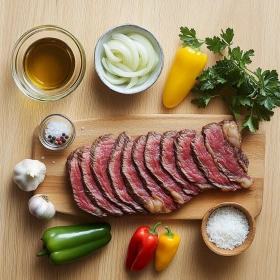
- 1 pound ribeye steak, thinly sliced
- 2 tablespoons extra-virgin olive oil
- 1 large onion, thinly sliced
- 1 green bell pepper, sliced
- 1 red bell pepper, sliced
- 1 yellow bell pepper, sliced
- 2 cloves garlic, minced
- 1 teaspoon salt
- 1/2 teaspoon black pepper
- 1 cup provolone cheese, shredded
- 1 tablespoon fresh parsley, chopped
- 2 cups cooked rice
Instructions
💡 Click on steps to mark as complete!
-
1Prepare the SteakThinly slice the ribeye steak against the grain for tenderness. This technique ensures a melt-in-your-mouth texture.
-
2Sauté VegetablesIn a skillet, heat olive oil over medium heat. Add onions and bell peppers, cooking until soft and caramelized.
-
3Cook the SteakIncrease heat to high and add the steak slices. Sear quickly for 2-3 minutes, ensuring a juicy interior.
-
4Add Garlic and SeasonStir in minced garlic, salt, and black pepper. Cook for an additional minute to release aromatic flavors.
-
5Melt the CheeseReduce heat to low, sprinkle shredded provolone over the mixture, and cover until cheese is melted and bubbly.
-
6Assemble the BowlsServe the steak and vegetable mixture over cooked rice. Garnish with fresh parsley for a vibrant finish.
Nutrition Facts (Per Serving)
Chef's Notes
- Store leftover Philly Cheesesteak Bowls in an airtight container in the fridge for up to 3 days. Reheat gently to maintain the texture of the beef and peppers.
- For a make-ahead option, prepare the beef and peppers, then store separately from the cheese. Assemble and melt the cheese just before serving for optimal freshness.
- Substitute provolone with mozzarella for a milder flavor. Mozzarella melts beautifully, providing a creamy texture that complements the savory beef.
- Freeze the cooked beef and peppers in a freezer-safe container for up to 2 months. Thaw overnight in the fridge before reheating and adding fresh cheese.